Kiyasho Shuzo 木屋正酒造
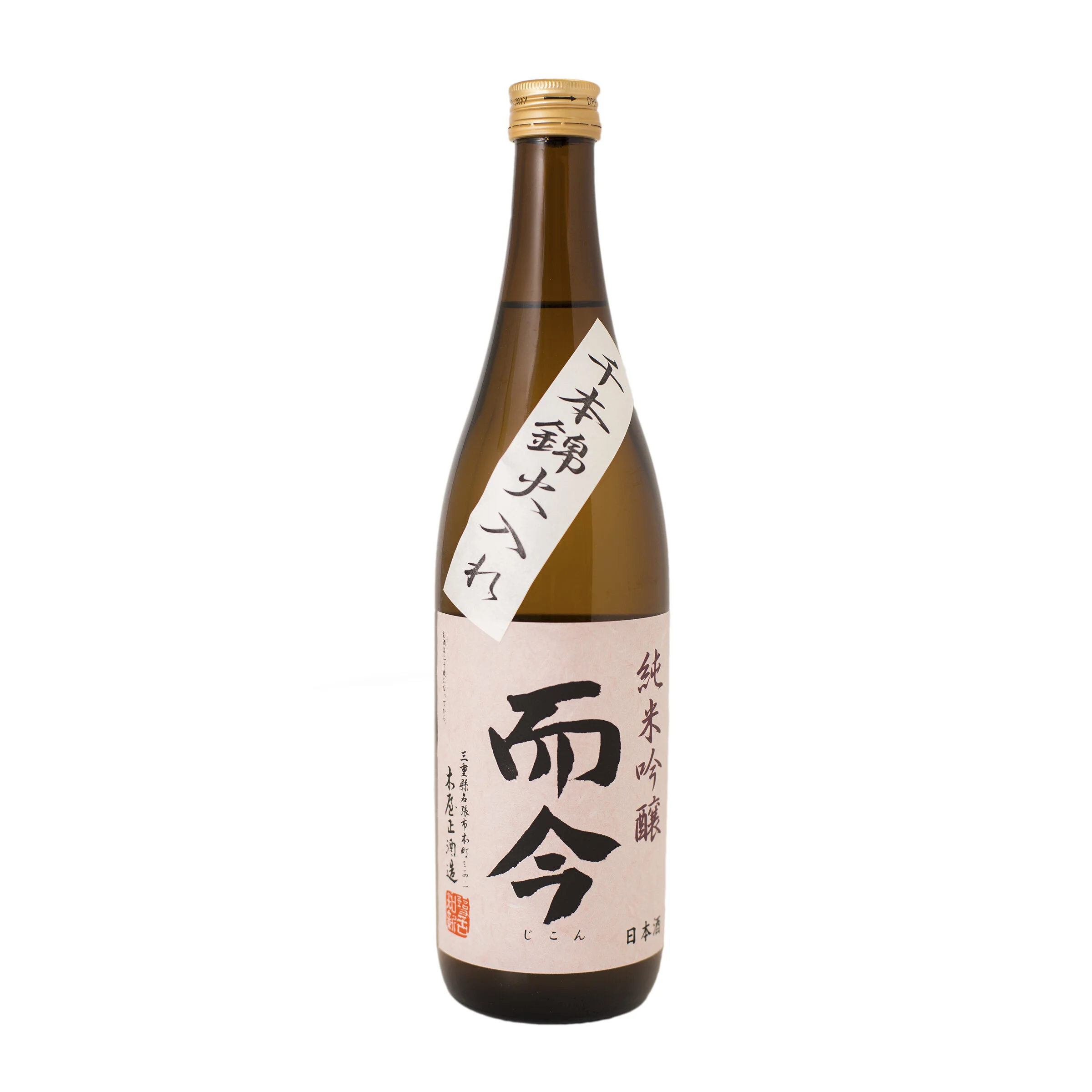
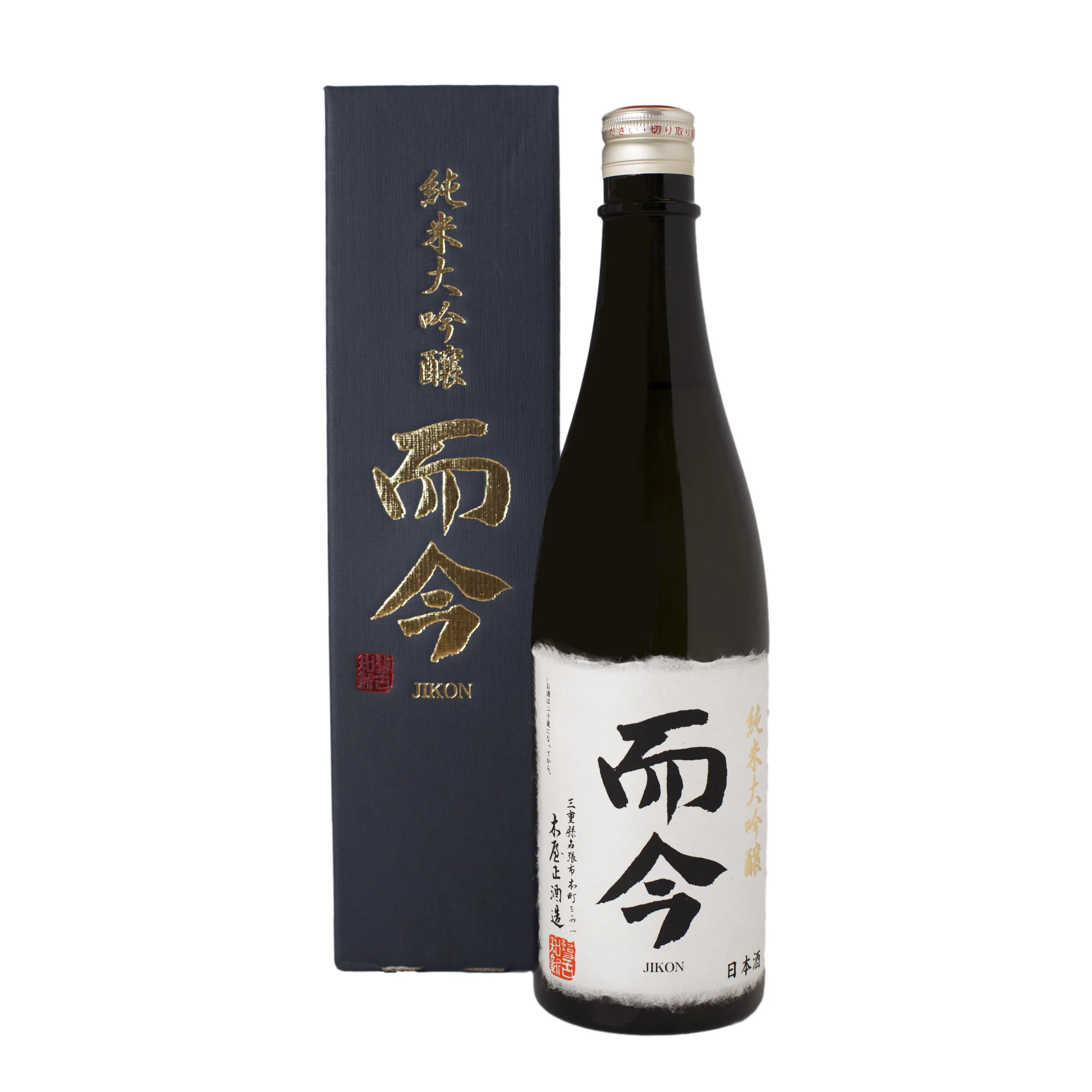
Jikon ⽽今
Situated amidst the serene landscapes of Nabari in Mie Prefecture, Kiyasho Shuzo stands as a beacon of tradition and excellence in the art of sake brewing. Founded in 1818 by Shohachi Onishi, Kiyasho Shuzo has upheld the traditional brewing techniques and continuously evolved to become a producer whose sake is revered worldwide.
The current owner & Toji is 6th generation Tadayoshi Onishi, who started to work at the brewery in 2003 at the young age of 27. After working under a Tanba Toji for 2 years, Tadayoshi was quick to learn the intricate details of crafting sake and in 2005 started a new line of sake under the name Jikon. The name, Jikon, is a reference to an ancient Zen scroll found at the brewery meaning “to live in the present moment to the fullest, without being preoccupied with the past or future”. Things had been tough financially at the brewery and at times he was working solo without any employees, but bucking industry trends and trusting his own intuition the Jikon sakes were crafted to be bright and fresh with good acidity from careful and detailed work at each stage of the brewing process. The results were a success as the Jikon sakes were one of the most awarded sakes in recent years and have been sought after by connoisseurs and chefs worldwide who appreciate the vibrant energy and layers of flavour and texture.
Nabari city is located in central Mie prefecture and is an area surrounded on 3 sides by mountains. The medium-soft water used for brewing sake is sourced underground from a well at the brewery and is said to originate from these mountains as it gets filtered through the earth over many years. A very long time ago the area of Nabari used to be the lake bed of Lake Biwa and is known for its agricultural products due to the nutrient-rich soils which make it a perfect area to grow quality sake rice. Team members of Kiyasho Shuzo work actively during the growing season with farmers in the rice paddies to grow and source Yamadanishiki which is the base for the sakes produced. Other sake rice like Aiyama, Sake Mirai, Senbonnishiki and others are sourced from local farmers as well as from the best-growing regions around the country.
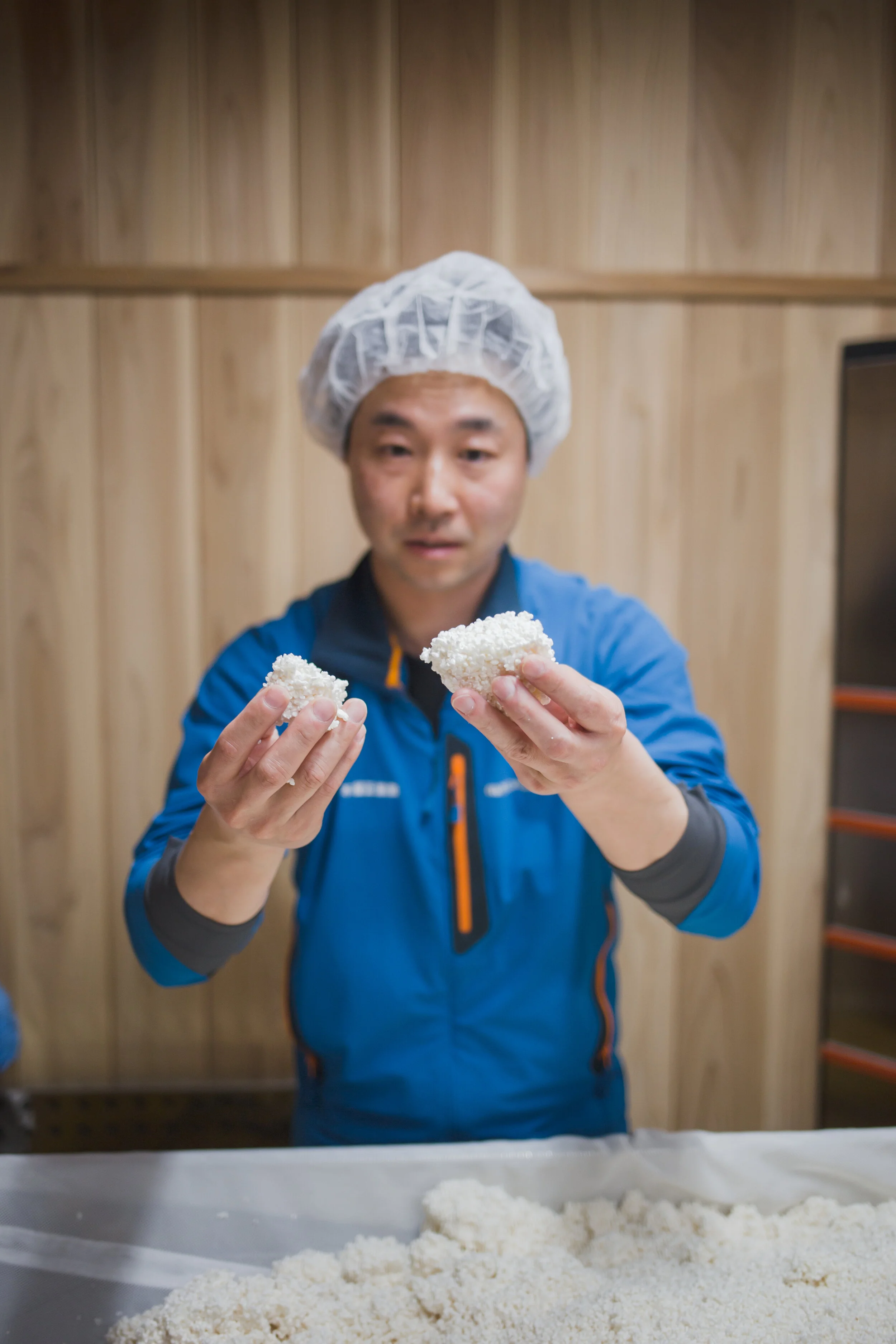
“I think (crafting sake) is more ‘cultivating’ than ‘making’, It’s actually the microorganisms, mainly Koji and yeast, that are making the sake. Our job is to create the optimum environment for these living organisms to do what they do naturally” ~Tadayoshi Onishi
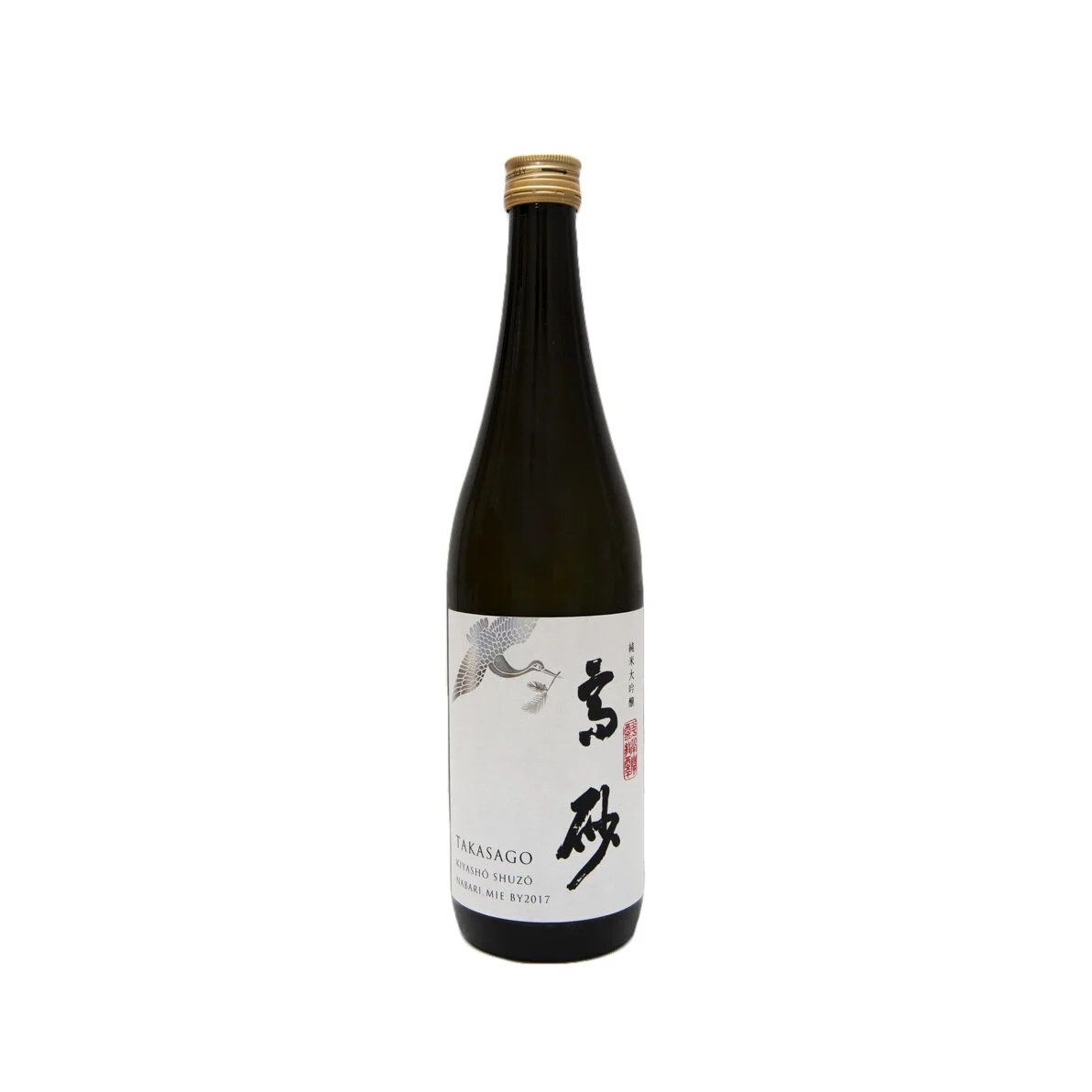
The ‘cultivation’ of sake takes place partly in the historic building that has been home to Kiyasho Shuzo for over two centuries. Though production over the years has grown, Kiyasho Shuzo is still a small brewery with a lot of the work done by hand where quality, cleanliness, and details can be controlled the best. Ferments are in smaller batches with a focus on yeast #9 providing the base for the sake. Aside from the Jikon line of sake, another line of sake is produced under the name Takasago. If Jikon was a dragon, Takasago would be the tiger: quiet and restrained with layers of depth and umami, ethereal on the palate.
All the sakes are wonderful and due to the small production, very hard to find, I would recommend picking up a bottle (or 2) if there’s an opportunity!